Post-Production
Specialist
Roman
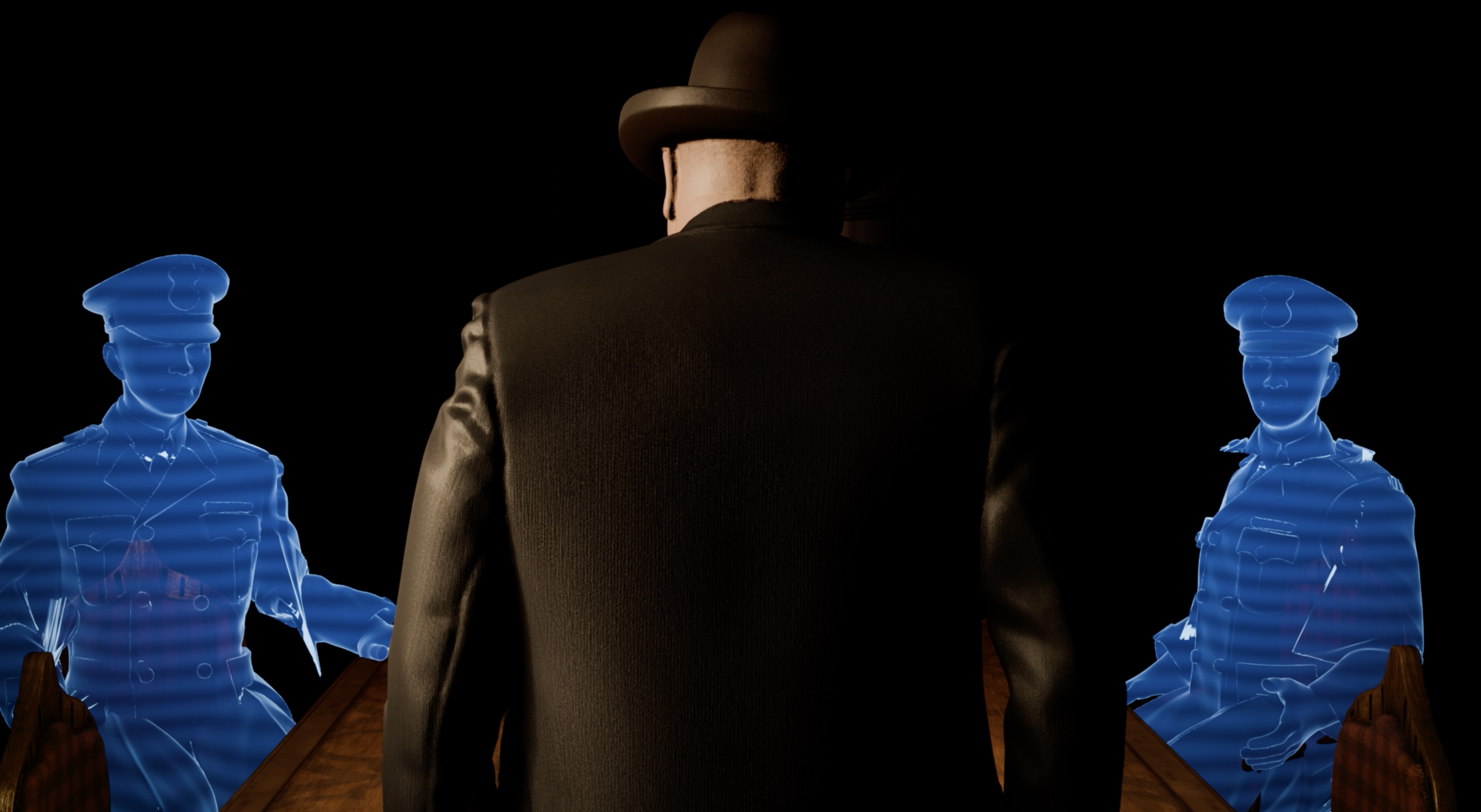
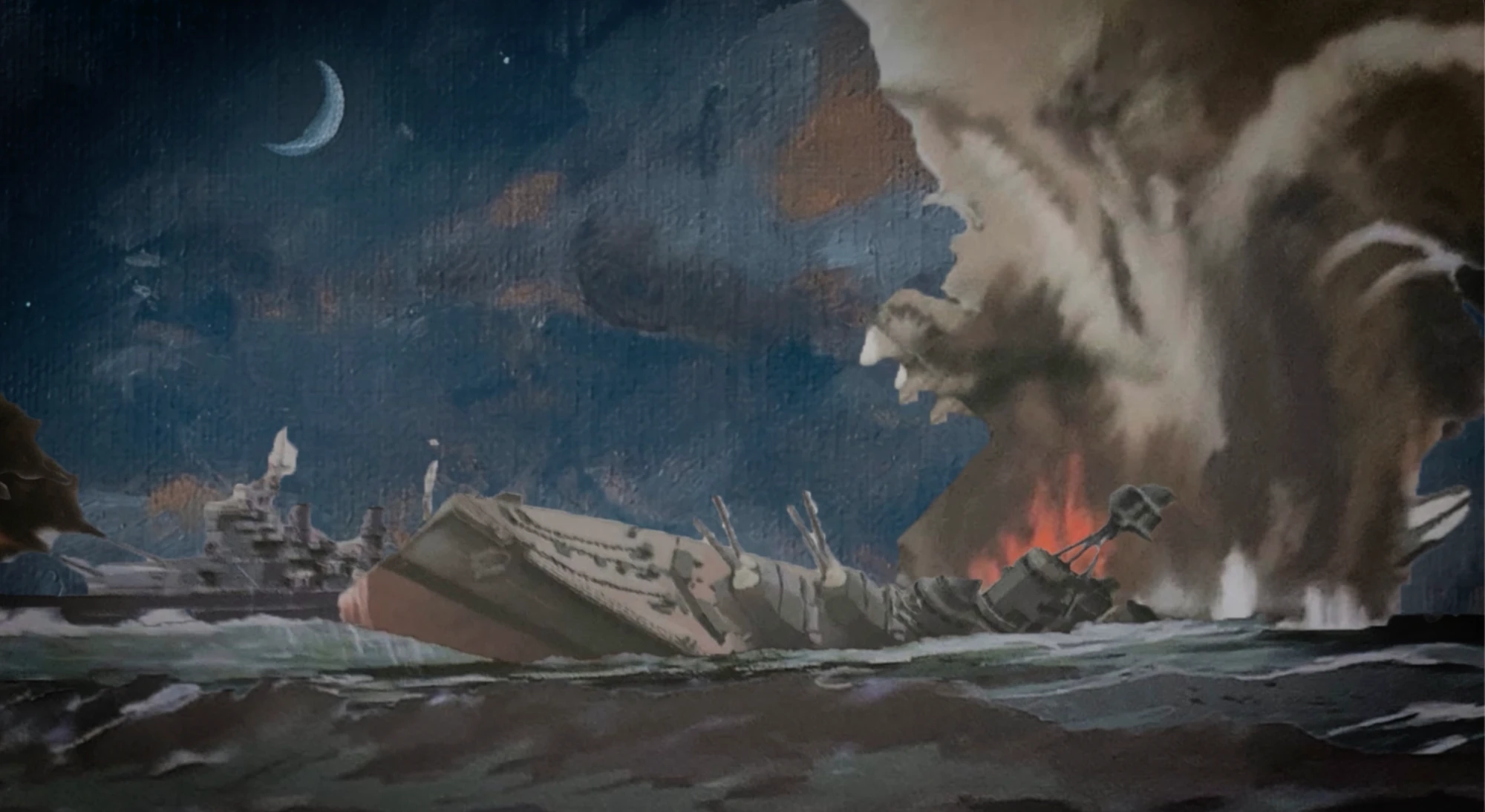
Selected Works
2026
Post-Production
Specialist
scroll...
I don't make videos.
I build things people remember.
I started editing when I was eight. I filmed Let's Plays, edited them in Kinemaster on my phone, and posted them straight to YouTube. I had no idea editing was a real skill, I just wanted to do it over and over again. And it only got more serious from there.
Somewhere along the way it stopped being about effects and transitions. What got me was how much a single cut can change. Hold a shot a second too long and the whole room feels different. Cut a beat too early and it hits harder. I can't always explain why it works, but that's the part I still think about the most.
Now I'm in Antwerp, studying Multimedia and Creative Technologies at KdG. It covers a lot, visual communication, storytelling, some spatial design, and honestly that mix is why I went for it instead of a pure editing course. It shifted how I see a whole video. I used to cut where it felt right. Now I'm thinking more about how the whole thing holds together, not just the next transition.
That runs through the whole setup. I cut in Premiere Pro, do color and mood in DaVinci Resolve, and build motion and type in After Effects. When a scene needs footage that just doesn't exist anywhere, I'll model it in Blender and animate it. Photoshop and Illustrator handle the other assets, things like newspaper layouts or elements for parallax. It's a lot of programs, but they all have one goal, making the final edit better.
A lot of editing right now is built to overwhelm you. A cut every half second, a sound effect on everything. It works for some stuff, sure. It's just not where my head goes.
I go the other way, on purpose. I'd rather trust a shot to hold you than beat you into staying. Give a moment room and people lean in on their own. When it works, you forget I was ever there. You don't watch the edit, you just can't look away, and you couldn't say why.
Shaping the narrative
through cinematic pacing, immersive sound design, and narrative depth